
Call us now :07313726038
 Send Inquiry
 Send Inquiry
Basic Dyes
Price 400 INR/ Kilograms
MOQ : 25 Kilograms
Basic Dyes Specification
- Size
- Fine Mesh Powder
- HS Code
- 3204
- Resistance
- Moderate Light & Washing Fastness
- Molecular Formula
- Varies (depends on specific dye)
- Shape
- Fine Powder
- Application
- Ink, Leather, Paper, Textile, Wool, Silk
- Purity
- Highly Pure
- Solvent Color
- Brilliant in Various Solvents
- Structural Formula
- Varies
- Density
- 0.5 Gram per cubic centimeter(g/cm3)
- Moisture (%)
- Less than 2%
- Other Names
- Cationic Dyes
- Grade
- Industrial Grade
- Poisonous
- Non-poisonous
- Shelf Life
- 24 Months
- Melting Point
- Varies
- Solubility
- Soluble in Water
- Smell
- Odorless
- Ph Level
- 4-7
- Water Resistance
- Good
- Taste
- Odorless
- Rubbing Resistance
- Moderate
- Strength
- High Tinctorial Strength
- Type
- Basic Dye
- Usage
- Textile Dyestuffs
- Physical Form
- Powder
- Appearance
- Bright, Uniform Color
- Fastness Properties
- Good on Paper and Leather
- Safety Precautions
- Use Gloves & Mask During Handling
- Manufacturing Origin
- India
- Ionic Nature
- Cationic
- Packaging
- 25kg HDPE Bags
- Compatibility
- Compatible with Acrylic Fibres
- Environmental Impact
- Low if Handled Properly
- Dispersibility
- Excellent
- Storage Conditions
- Cool, Dry Place
Basic Dyes Trade Information
- Minimum Order Quantity
- 25 Kilograms
- Supply Ability
- 1000 Kilograms Per Day
- Delivery Time
- 2-5 Days
About Basic Dyes
We are one of the well established organizations engaged in manufacturing, supplying and exporting Basic Dyes. These dyes are used extensively in various industries such as paper, textile, acrylic fibers such as types 42 and 75 Orlon and type 61 creslan. Our offered product produces bright and deep shades with superlative light. This is extracted from premium materials which are procured at our end from the trusted vendors of the market. Our Basic Dyes are widely acclaimed amongst our customers for:
- Fast dispersion
- Good Solubility
- Eco friendly nature
- High tinctorial Value
- Minimum or no Insoluble in recommended media and proportion
Product Details:
Available Color | Blue,Orange,Green,Yellow,Pink |
Packaging Size | 10kg, 25kg, |
Packaging Type | Bag |
Usage | Industrial |
Form | Powder |
| COMMERCIAL NAME | CI NAME |
| Auramine O | Basic Yellow 2 |
| Auramine OF | Basic Yellow 2 (spirit sol) |
| Rhodamine B 540% | Basic Violet 10 |
| Rhodamine B 500% | Basic Violet 10 |
| Crystal Violet | Basic Violet 3 |
| Victoria Blue r | Basic Blue 11 |
| Victoria Blue BH/C | Basic Blue 26 |
| Victoria Blue B Base | Solvent Blue 4 |
| Methylene Blue | Basic Blue 9 |
| Methylene Blue Z free | Basic Blue 9 |
| Safranin O | Basic Red 2 |
| Methyl Violet | Basic Violet 4 |
| Basic Magenta | Basic Violet 14 |
| Malachite Green | Basic Green 4 |
| Diamond Green | Basic Green 1 |
| Chrysoidine y | Basic Orange 2 |
| Bismark Brown | Basic Brown 1 |
Stunning Colors with Excellent Dispersibility
Our Basic Dyes produce intensely vivid and uniform coloration, thanks to their high tinctorial strength and cationic nature. The powders disperse seamlessly in water and various solvents, resulting in a brilliant finish on textiles, paper, and leather. Their compatibility with acrylic fibers ensures reliable results in industrial dyeing processes.
Safety and Storage Guidelines
For safe usage, always wear gloves and a mask while handling these odorless dyes. With moisture content of less than 2% and an industrial-grade formulation, the dyes should be stored in cool and dry environments to preserve their 24-month shelf life. Following these guidelines ensures both user safety and consistent dye performance.
Eco-Friendly Industrial Solution
As long as Basic Dyes are used and disposed of according to best practices, their environmental impact remains minimal. Their non-poisonous composition and high purity make them a responsible choice for manufacturers and suppliers seeking sustainable options in textile and related industries.
FAQs of Basic Dyes:
Q: How should Basic Dyes be stored to maintain their quality?
A: Basic Dyes should be kept in a cool, dry place, ideally in their original 25kg HDPE bags. This prevents moisture absorption (kept below 2%) and extends their shelf life to 24 months.Q: What are the main applications and compatible materials for these dyes?
A: These dyes are compatible with acrylic fibers, wool, silk, leather, paper, and are widely used as textile dyestuffs. Their excellent dispersibility makes them ideal for industrial dyeing, ink manufacturing, and other high-demand applications.Q: What safety measures should be followed during handling?
A: Safety precautions include using gloves and a mask to avoid skin or respiratory exposure. These measures help protect users during handling and prevent accidental inhalation or contact.Q: When is it beneficial to use Basic Dyes over other dye types?
A: Basic Dyes offer high brilliance, excellent water solubility, and superior strength on substrates like paper and leather. They are particularly beneficial when uniform, vibrant coloration and compatibility with cationic dyeing systems are desired.Q: How does the environmental impact of these dyes compare to others?
A: When handled and disposed of correctly, Basic Dyes have a low environmental footprint. Their non-poisonous formulation and moderate resistance properties support environmentally responsible industrial practices.Q: What is the process for applying Basic Dyes to textile materials?
A: The process generally involves dissolving the dye powder in water, applying it to the material (such as acrylic fiber or wool), and fixing it through standard dyeing procedures to ensure even coverage and color fastness.Q: Where are these Basic Dyes manufactured and supplied from?
A: These dyes are manufactured, exported, imported, and distributed by suppliers and wholesalers in India, adhering to international standards and HS Code 3204.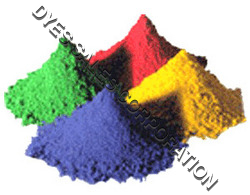
Tell us about your requirement

Price:
Quantity
Select Unit
- 50
- 100
- 200
- 250
- 500
- 1000+
Additional detail
Mobile number
Email

More Products in Basic Dyes Category

Basic Diamond Green Dyes
Price 400 INR / Kilograms
Minimum Order Quantity : 25 Kilograms
Structural Formula : Refer to chemical diagrams
Moisture (%) : <0.5%
Other Names : Diamond Green B, Malachite Green
Grade : Industrial Grade
Methyl Violet Crystal Dyes
Price 400 INR / Kilograms
Minimum Order Quantity : 25 Kilograms
Structural Formula : [C25H30N3]Cl
Moisture (%) : <1%
Other Names : Gentian Violet, Crystal Violet
Grade : Industrial Grade
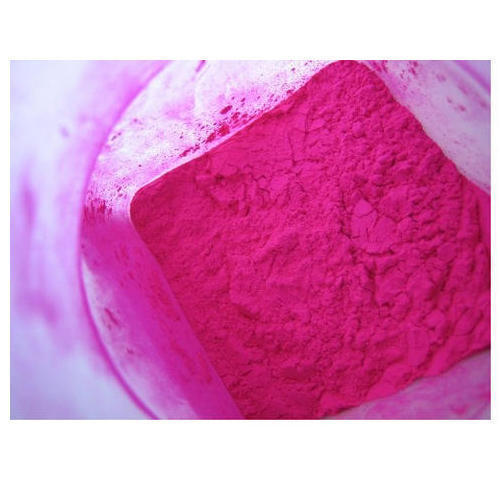
Basic Magenta Dyes
Price 400 INR / Kilograms
Minimum Order Quantity : 25 Kilograms
Structural Formula : Available on request
Moisture (%) : Less than 1%
Other Names : Basic Fuchsin, Magenta
Grade : Industrial Grade

Rhodamine B 500% Dyes
Price 400 INR / Kilograms
Minimum Order Quantity : 25 Kilograms
Structural Formula : [C28H31ClN2O3]
Moisture (%) : 1.0%
Other Names : Rhodamine B, Basic Violet 10
Grade : Industrial Grade


 Send Inquiry
Our Products

218/220, Kapaurwala Bldg, 2nd Floor, Samuel Street, Masjid Bunder West,Mumbai - 400003, Maharashtra, India

Mr HARIT ANIL KUMAR TRIVEDI
Mobile :07313726038
Mr. Anilkumar Trivedi
(Managing Partner)
Mobile :07313726038
 Send Inquiry
 Send SMS
Developed and Managed by Infocom Network Private Limited.
